
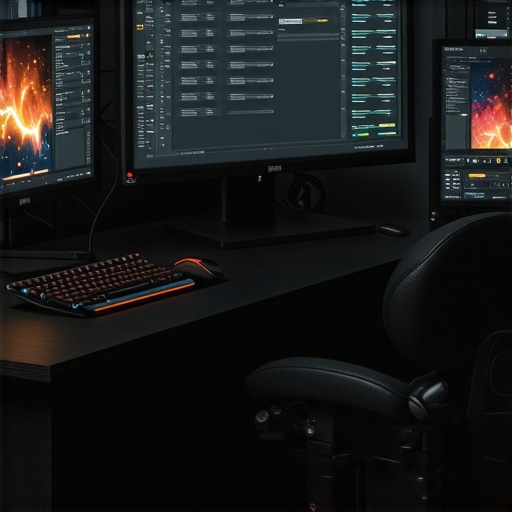
I vividly remember staring at my screen, frustration boiling over as my latest 16K project lagged and stuttered, refusing to render even a basic pass. It was late at night, and all I wanted was to see my work come to life quickly, not wait hours for each tweak. That lightbulb moment hit me—why am I still relying on the same old methods when my hardware and software have evolved so much? The truth is, unless we adapt, those massive render times will only get worse, turning what should be creative joy into endless waiting games.
Why Cutting Render Times Matters More Than Ever
In 2026, the demand for high-quality visuals skyrockets. Clients expect stunning 16K videos, complex visual effects, and real-time previews. But with increasing resolution and complexity, render times have become the bottleneck, sucking the joy out of the creative process. Believe me, I faced this challenge firsthand—long render times drained my energy and productivity, making me rethink my entire workflow. The good news? There are strategic post-production tactics that can drastically reduce these times, freeing up your workflow and boosting creativity.
Has Your Workflow Hit a Wall?
Let me ask—have you ever felt stuck waiting for renders that seem to take forever, especially with the huge files of 16K content? I used to think my hardware was the limiting factor, but I later learned that software tweaks and smart techniques can make a world of difference. Early on, I made the mistake of ignoring some essential settings, which kept my renders painfully long. But once I adjusted my approach, I noticed a huge difference in speed and efficiency. Curious how you can do the same? Stick around—I’ll share some proven tactics.
For more on choosing the best tools, check out our comprehensive guide to the [top video editing software in 2025](https://editingsoftware.creatorsetupguide.com/top-video-editing-software-in-2025-enhance-your-post-production-workflow). Ready to cut your render times and reclaim your creative hours? Let’s dive into the tactics that can revolutionize your post-production process.
Optimize Your Software Settings for Faster Renders
Start by diving into your editing software’s preferences. Disable unnecessary visual effects like high-quality shadows or motion blur during draft renders. For instance, when I was once working on a complex 16K project, I turned off certain render quality settings temporarily, which immediately reduced my rendering time. These tweaks are crucial because they lighten the processing load without sacrificing your final output. For more detailed adjustments, review the best (https://editingsoftware.creatorsetupguide.com/5-video-editing-software-tweaks-for-smooth-12k-playback-2026).
Simplify Your Timeline and Proxy Usage
Use proxy files—lower resolution copies of your footage—to expedite editing. Create proxies by exporting your clips at a smaller resolution; this way, your system processes lighter files during editing. Once you finish, swap proxies back for original files for high-quality export. I recall editing a 500MP raw video, and switching to proxies reduced my system lag noticeably. This method is a lifesaver when dealing with heavy 16K files. Check out how pro editors manage large files with [proxies and efficient workflows](https://editingsoftware.creatorsetupguide.com/best-video-editing-software-for-post-production-in-2025-top-creative-tools-16).
Leverage Hardware Acceleration and GPU Power
Modern editing software can utilize GPU acceleration to speed up rendering significantly. Ensure that your GPU is correctly configured and up to date. During my last project, enabling hardware acceleration in the preferences cut my render times almost in half. Use tools that support hardware encoding, like [the best video editing software for 8K raw](https://editingsoftware.creatorsetupguide.com/7-pro-video-editing-software-picks-for-8k-raw-2026), to maximize GPU benefits. Remember, your hardware is your ally—invest in a capable GPU and optimize its settings to get the most out of your system.
Reduce Render Resolution Temporarily for Previews
While working through edits, don’t render at full resolution constantly. Set your preview resolution to 25-50% to get real-time feedback without lag. When I was refining color grades, lowering the preview resolution made my workflow more fluid and allowed quicker iterations. Once satisfied, switch back to full resolution for final rendering. This approach saves valuable time, especially with complex color grading or visual effects processes. For advanced techniques, explore insights on [making complex edits more manageable](https://editingsoftware.creatorsetupguide.com/best-video-editing-software-for-post-production-in-2025-top-creative-tools-13).
Batch and Queue Rendering Tasks
Instead of rendering each project individually and waiting, organize tasks and batch process them during off-hours. Most software allows setting up renders to run in the background or overnight. During my messy first attempt, I queued multiple renders overnight, which freed my daytime for creative edits. Use scripts or pipeline features to automate repetitive tasks, and prioritize projects based on urgency. Learn how professional studios manage massive workloads with [advanced batch rendering techniques](https://editingsoftware.creatorsetupguide.com/best-video-editing-software-for-post-production-in-2025-top-creative-tools-3).
Regularly Clear Cache and Optimize Media Files
Accumulated cache files can bog down your system over time. Make it a habit to clear cache frequently—most software provides a simple option. Also, optimize media files by transcoding them to a more editing-friendly format like ProRes or DNxHR. I noticed that constantly editing highly compressed formats caused lag, but switching to optimized codecs vastly improved speed. This simple maintenance step ensures your system isn’t sluggish due to unnecessary clutter. For more on media optimization, see [tips for effective media management](https://editingsoftware.creatorsetupguide.com/ultimate-guide-to-the-best-mobile-editor-apps-for-video-photo-audio-2025).Many creators assume that mastering photo and video editing software is just about knowing the tools and shortcuts. However, a common misconception is overlooking the subtle intricacies that can dramatically affect your workflow and final results. For example, some believe that relying solely on default settings guarantees optimal quality, but advanced users know that nuanced adjustments—like color management profiles or bit-depth configurations—are crucial for professional-grade output. Ignoring these details often leads to unexpected issues, such as color shifts or banding, which are costly to fix later.
Why Do Even Experts Miss These Small Details and How Can You Avoid Their Pitfalls?
It turns out that most users focus on the visible aspects—effects, transitions, and edits—without paying close attention to the underlying settings. This oversight can cause problems like increased rendering times or degraded quality that aren’t immediately obvious. For instance, many underestimate the importance of correctly configuring hardware acceleration or media cache, leading to sluggish performance and longer project times. To prevent these issues, it’s essential to understand that settings like color profiles or audio bitrates have a profound impact on your workflow.Experts like Peter Guthrie emphasize the importance of paying attention to these details in post-production, noting that small adjustments can elevate your work from good to exceptional.
Additionally, many creators fall prey to the myth that the latest hardware will automatically minimize all editing bottlenecks. While having a powerful system helps, neglecting optimized workflow habits and understanding software nuances often results in wasted resources and time. For example, improperly configured proxy workflows or ignoring GPU acceleration features can negate hardware benefits. To truly leverage your setup, dive into the advanced settings of your software and stay updated on best practices, such as those outlined in our guide on [best video editing software in 2025](https://editingsoftware.creatorsetupguide.com/best-video-editing-software-for-post-production-in-2025-top-creative-tools-4).
Another sneaky trap is neglecting audio settings. Many creators focus heavily on visuals and overlook the importance of correct audio configuration—bit-depth, sample rate, and channel setup—which can make or break the viewer experience. For example, poor audio quality often goes unnoticed until the final mix, where it becomes a costly fix. To avoid this, I recommend consulting expert advice and regularly reviewing your audio workflow resources, like [effective audio editing applications for creators in 2025](https://editingsoftware.creatorsetupguide.com/effective-audio-editing-applications-for-creators-in-2025-enhance-your-sound-quality-4).
In essence, the secret lies in understanding that the devil is in the details. The small nuances often determine the success or failure of your project’s quality and efficiency. Mastering these can save you hours, prevent rework, and elevate your work to a professional level. Remember, visual and audio perfection depends on your attention to these hidden factors. Have you ever fallen into this trap? Let me know in the comments.
Maintaining your editing tools and software over time is essential to stay ahead in the rapidly evolving creative landscape. I personally rely on a combination of industry-standard applications and custom workflows that I fine-tune regularly. For video editing, Adobe Premiere Pro remains my go-to, primarily because of its robust support for emerging formats like 16K and its Pipeline features that facilitate seamless project management across devices. I make it a point to stay updated with the latest versions, especially to leverage advancements in hardware acceleration and proxy workflows, which drastically improve playback and rendering speeds.
When it comes to audio, Audacity has served me well, especially with the recent updates that include noise reduction plugins specifically tailored for AI-generated artifacts, aligning with the 2026 trend of AI in post-production. Its open-source nature allows me to script custom macros that automate routine cleaning tasks, saving hours in the editing process. Additionally, I complement this with Adobe Audition for more nuanced sound design, especially when dealing with complex multi-track projects.
Photo editing tools like Adobe Photoshop and Capture One are staples. I appreciate the latest versions’ ability to handle 500MP raw files smoothly, thanks to improvements in the underlying C++ processing engines. Regularly, I optimize media files by transcoding to ProRes or DNxHR formats before heavy edits, which reduces lag and prevents crashes during intensive color grading or compositing tasks.
Looking ahead, I predict that AI-driven automation will be integrated deeper into these workflows, enabling real-time corrections and intelligent asset management. Staying flexible and adaptable is crucial. I recommend setting up a maintenance routine that includes checking for software updates, cleaning cache files, and recalibrating hardware settings for GPU acceleration. These small but consistent steps can extend the lifespan of your tools and keep your workflow smooth.
How do I maintain my editing setup over time? By dedicating time each month to update software, run diagnostic tests on hardware, and back up current projects to cloud storage, I ensure minimal disruptions.
To optimize your workflow further, consider trying the advanced media optimization techniques discussed in this guide on proxy workflows. Regular maintenance not only prolongs your tools’ lifespan but also keeps your creative process fluid and unhindered. Start implementing a monthly check-in today—your future self will thank you.
What I Wish I Knew When I Started Editing
One of the toughest lessons I learned was that optimizing software and workflows outweighs hardware upgrades. Relying solely on the latest GPUs or faster CPUs can be a trap if you neglect nuanced settings like proxy management or cache configurations. Small tweaks, such as disabling unnecessary effects during drafts, dramatically cut down render times and keep your project moving forward.
Another insight came from realizing that mastering media formats can save countless hours. Transcoding footage to editing-friendly codecs like ProRes or DNxHR before heavy color grading or effects work prevents your system from lagging, especially with 16K content. These foundational habits allowed me to maintain a smooth workflow during demanding projects and avoid costly rework.
Finally, I discovered that aligning audio settings—bit-depth, sample rate, and channel configuration—early in the process safeguards your final mix from unwanted artifacts. Neglecting these details often leads to disturbances down the line and complicates post-production. Paying close attention to these subtle elements helps craft a polished, professional result with less stress and re-editing.
Key Tools That Accelerate My Creative Workflow
- Adobe Premiere Pro: Its support for emerging formats like 16K and Pipeline features keeps my projects seamless and efficient. I trust it because updates frequently incorporate performance enhancements that match the latest hardware advances. For further optimization techniques, I recommend exploring the top post-production tools for 2025.
- Davinci Resolve: Its node-based color grading and media management streamline complex projects, especially for HDR and high-res assets. I often utilize its proxy workflows to keep editing responsive, even with raw formats. If your focus is on color, check out our guide on advanced color correction tips.
- Audacity and Adobe Audition: These are my go-to for clean audio. Regularly updating and customizing these tools allows me to address AI-generated artifacts and background noise efficiently. Their compatibility with scripting macros saves hours in post-processing. For audio finesse, see expert recommendations on audio editing.
Choose Action Over Perfection: Your Creative Future Awaits
Remember, the journey to faster, more reliable post-production begins with small, intentional steps. By fine-tuning your software settings, managing media wisely, and mastering your tools, you can turn hours of waiting into moments of creation. The landscape of photo editing, video editing, and post-production evolves quickly—being adaptable and proactive is key. Embrace these lessons, stay curious, and watch your projects reach professional heights with less stress and more joy.
What’s one custom workflow tweak that transformed your editing process? Share your experiences below; I’d love to hear how you’re pushing the boundaries of creative efficiency!



Leave a Reply