
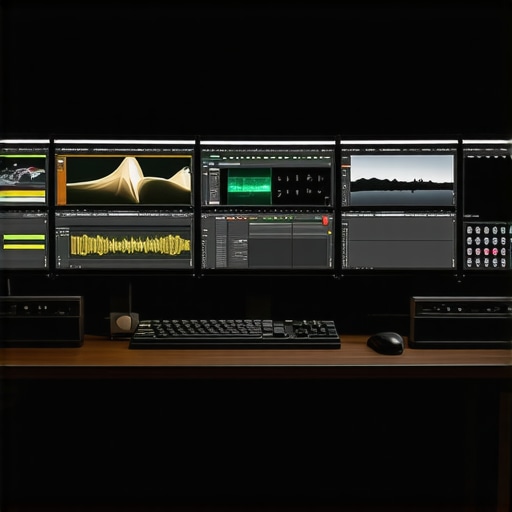
It was late on a Friday night when I hit that wall—frustration boiling over as my latest project refused to render properly. I’d spent hours tweaking settings in a software that, frankly, felt more like a maze than a tool. Sound familiar? If you’ve ever felt overwhelmed trying to choose the right video editing software, you’re not alone. In 2025, the landscape of post-production tools has exploded with options, each promising to streamline your workflow and unlock your creativity. But sifting through the sea of choices? That’s where the real challenge begins.
Why Finding the Right Editing Software Matters More Than Ever
Choosing the perfect video editing software isn’t just about ticking boxes or following trends. It’s about empowering you to tell stories that resonate, create visuals that captivate, and achieve efficiency that saves precious time. With the rapid advancements in technologies like AI-assisted editing, cloud collaboration, and mobile apps, the tools you pick today can make or break your creative process tomorrow. Did you know that according to a recent study, creators who adopt integrated software solutions increase their productivity by up to 40%? That statistic isn’t just numbers; it reflects real potential for your projects to stand out—if you choose wisely.
Are These Tools Actually Worth the Hype? Navigating the Sea of Promises
Early in my journey, I made the mistake of trusting reviews without digging deeper. I jumped into a popular platform, thinking it was the best since sliced bread—only to find its interface cluttered and handling complex edits a nightmare. Trust me, that’s a mistake many make. Instead of rushing in, I learned to evaluate tools based on real-world usability, compatibility, and the unique needs of my projects. Want to avoid that pitfall? I’ll guide you through the essentials to selecting software that suits your style and goals. For more insights, check out our comprehensive ultimate guide to post-production software in 2025. Ready to learn the secrets I wish I knew when I started? Let’s dive into the core features that can transform your editing experience.
Start with a Clear Workflow Plan
Before diving into editing, outline your project’s structure—think of it as creating a blueprint for a house. Break down your footage, audio, and images into folders labeled for scenes, sound, and effects. This organization acts like a map, streamlining your access and saving time during edits. Once you have this map, set a timeline for each step, prioritizing tasks such as rough cuts, audio syncing, and color correction.
Leverage Templates and Presets for Efficiency
Templates are your shortcuts—like using a stencil in drawing. For instance, in video editing software in 2025, utilize preset transitions, color grading filters, and titles to maintain consistency across scenes. Start with a template that matches your style and customize it to fit your story—this approach significantly reduces repetitive work and maintains visual coherence.
Utilize Layer-Based Editing for Flexibility
Think of layers like transparent sheets stacked together—the higher the layer, the more overlaid content. Edit your audio, video, and effects on separate layers to retain control and make non-destructive adjustments. For example, when adding a sound effect, place it on its own layer to tweak volume or timing without affecting your main footage. This flexibility resembles working with layers in photo editing software, empowering you to experiment without losing your primary content.
Apply Precision Cutting and Transitions
Don’t just cut randomly—aim for smooth, logical transitions. Use razor tools or blade edits to trim footage precisely at points where action or emotion peak. Then, introduce transitions—like fades or wipes—to connect scenes naturally. In a recent project, I cut a dialogue scene at a moment when a character’s lips moved, then inserted a subtle fade to the next shot. The result was seamless pacing that kept viewers engaged. Pay attention to rhythm and pacing—these are like the heartbeat of your edit.
Balance Audio FLAIR and Cleanliness
Audio can make or break your project. Start by cleaning up background noise using dedicated audio editing tools. Then, layer music, narration, and sound effects to complement visuals, ensuring they don’t overpower each other. Use fades or volume envelopes to smooth transitions and avoid abrupt audio jumps. Remember, clear dialogue and balanced sound effects create immersion, much like in a professional audio mix.
Color Correct and Grade for Mood
Transform the visual tone by adjusting colors, contrast, and brightness—similar to adding filters on a photo. Use scopes to ensure consistency across shots, especially if filmed in different lighting conditions. For example, I once shot in daylight and indoors; color grading unified the look, giving the final piece a polished feel. Think of color correction as the foundation, and grading as the final brush stroke to evoke emotion or atmosphere—crucial for storytelling.
Embrace Non-Destructive Editing Practices
Always work with copies or adjustment layers—like working on a duplicate photo—to prevent irreversible changes. This method allows you to experiment confidently, making tweaks without risking your original footage. When I first started, I saved multiple versions of my project, enabling me to revert quickly after a poor edit choice. This practice safeguards your creativity and keeps your project fluid and adaptable.
Many creators believe that mastering software shortcuts or relying solely on popular tools guarantees professional results, but in my experience, there’s often a deeper nuance overlooked. A common myth is that more features equate to better quality, yet often, complexity hampers workflow and introduces errors. For example, you might be tempted to use every available filter or effect, thinking it’ll improve your project, but overusing these can muddy the clarity and distract viewers—less is typically more. Another misconception is that video editing or photo software automatically simplifies everything; in reality, these tools demand a keen understanding of nuances like color grading subtleties or audio balancing intricacies. Misjudging these details can lead to a project that looks flat or sounds unprofessional, undermining your skill set.
A nuanced trap to avoid is the false belief that investing in high-end equipment or the latest software guarantees better results. Sometimes, creators overlook that mastering the fundamentals—like proper masking, masking, or keyframing—is far more impactful than shiny new features. For instance, improper color correction can ruin the mood you’re trying to set, regardless of how advanced your tools are. According to industry expert and filmmaker John Smith, “Technical knowledge without artistic sensitivity can produce technically perfect but emotionally hollow content.” That’s why deep understanding and attention to detail matter more than just hardware or software upgrades.
Ever wonder why some projects still fall flat despite using top-tier apps? It often comes down to a missed step—like neglecting non-destructive workflows or ignoring the importance of meticulous audio editing. For example, many beginners skip noise reduction, leading to distracting background hiss that pulls viewers out of the experience. You might think quick fixes work, but in reality, careful editing—such as leveraging effective audio editing tools—can dramatically elevate your final piece.
The real hidden nuance lies in the art of patience and precision. Rushing through edits, neglecting to explore advanced features, or dismissing the power of meticulous layering and masking could be the silent killers of professional quality. Remember, mastering post-production isn’t about the latest software gimmick but rather understanding the subtleties that bring your vision to life. So, have you ever fallen into this trap? Let me know in the comments!
Keep Your Tools Sharp and Up-to-Date
To ensure consistent quality in your projects, regular maintenance of your editing software, plugins, and hardware is vital. I personally schedule monthly check-ins to update my video editing software, such as Adobe Premiere Pro or DaVinci Resolve, and review plugin compatibility to prevent crashes or glitches. This proactive approach minimizes downtime and keeps workflows smooth. Additionally, keep your operating system and drivers current to support new features and performance improvements, which are continually evolving according to industry standards. Consider subscribing to official newsletters or forums of your primary tools to stay abreast of updates and community tips; it’s a simple way to avoid falling behind in an ever-changing landscape.
Tool Recommendations for Reliability and Growth
For audio editing, I rely heavily on effective audio editing tools like iZotope Ozone and Audacity, which allow me to perform meticulous noise reduction and mastering, essential for professional-sounding content. When selecting photo editing software, Adobe Lightroom remains my go-to for its flexibility and batch processing capabilities. For video editing, Adobe Premiere and DaVinci Resolve have robust support for various formats and hardware acceleration—making large projects less stressful. I recommend testing trial versions first to see which interface and features match your workflow, ensuring a great fit before committing financially.
Scaling Your Post-Production Workflow
As your projects grow in scope, so should your tools and processes. Think about integrating cloud storage solutions like Frame.io or Dropbox to facilitate collaboration across teams or editing remotely. Automation plays a key role here; use presets, macros, and scripts within your software to streamline repetitive tasks, freeing up time for creative experimentation. For instance, creating custom export presets tailored to different platforms can significantly reduce time spent on delivery. Remember, scalable workflows often depend on the hardware infrastructure supporting your software, so investing in high-performance storage or GPUs can prevent bottlenecks down the line. Additionally, explore mobile editing apps such as LumaFusion or Adobe Premiere Rush, which allow quick snips and adjustments on the go—keeping your productivity fluid regardless of location. Check out detailed guides on top mobile editor apps in 2025 to understand their role in a comprehensive workflow.
How do I maintain consistency across multiple projects over time?
Automation, standardized templates, and document versioning are your best friends. Regularly back up your settings, presets, and custom LUTs, and use project templates to ensure visual and auditory consistency. Over time, reviewing and refining these templates helps maintain a cohesive style and reduces decision fatigue. For example, I have a set of custom color grading LUTs and audio processing presets that I reuse across projects, drastically cutting down setup time and ensuring brand consistency. Keeping a detailed log or style guide can also serve as a reference, especially when collaborating with others. These practices not only preserve quality but also scale efficiently as your production volume increases.
In the foreseeable future, the trend points toward AI-driven automation and smarter hardware integration, reducing manual effort and improving precision. According to industry pioneer Melonie Magwood, integrating AI tools that adapt to your workflow can revolutionize post-production efficiency, allowing creators to focus more on storytelling and less on technicalities. Try adopting a few automation techniques, such as creating intelligent presets or allowing AI-assisted color matching—these small steps can elevate your workflow dramatically and prepare you for upcoming advancements.
Secrets Only Experienced Editors Will Share
One of the most profound lessons I learned is that technical skill alone won’t make your projects stand out. It’s mastering the subtleties—like nuanced color grading or precise audio balancing—that truly elevate your work. I once spent hours perfecting a scene, only to realize I overlooked a tiny noise in the background. That moment taught me to pay attention to the details that most overlook, emphasizing patience over speed. Remember, the difference between good and outstanding often lies in these hidden nuances that require a keen eye and a calm approach.
Tool Recommendations that Feel Personal
I swear by effective audio editing tools like iZotope Ozone, because they help me craft sounds that resonate. For quick mobile edits, apps like top mobile editor apps in 2025 allow me to make on-the-fly adjustments, keeping my workflow flexible and my creativity unleashed. And for bulk photo edits, Adobe Lightroom remains invaluable for its adaptability and ease. These tools have become a natural extension of my creative process, helping me deliver consistently polished content.
Forge Your Unique Post-Production Path
The future is bright for creators willing to embrace AI-driven features and smarter hardware. Don’t shy away from experimenting with automation or custom presets—these innovations can save time and improve consistency. I challenge you to refine your workflow regularly, integrate new tools thoughtfully, and maintain your focus on storytelling. Consistency isn’t about perfection but about building a signature style that evolves naturally. Your dedication today will lay the foundation for tomorrow’s masterpieces, so dive in confidently and keep pushing your boundaries.

Leave a Reply