
I remember the moment vividly. I was in a rush, trying to polish a podcast episode, when everything suddenly fell apart—the audio cracked, background noises spiked, and I felt a wave of frustration wash over me. It hit me then that I’d been using outdated or overly complicated tools that just couldn’t keep up with my creative needs. Sound editing, which should be an empowering process, often felt like a battle against clunky interfaces and unreliable features. That lightbulb moment pushed me to dig deeper, to find software that would actually make my workflow smoother rather than more chaotic.
Why Settling for Less Can Kill Your Creative Vibe
In 2025, the landscape of post-production tools has exploded. With so many options flooding the market, it’s easy to feel overwhelmed—yet choosing the right audio editing software is crucial. Why does this matter? Simply put, the right tools can elevate your content, boost your efficiency, and even save you money in the long run. According to a recent industry report, creators who leverage top-tier editing software experience a noticeable increase in engagement and professional quality. But here’s the kicker: many creators continue to struggle with software that doesn’t match their ambitions, leading to wasted time, frustration, or compromised content quality.
If you’ve ever felt stuck trying to fix audio issues with basic apps or, worse, with no proper tools at all, you’re not alone. I’ve been there. I used to rely on quick-fixes that only made the problem worse over time. That’s a mistake I made early on—thinking that a simple free app could handle my growing needs. Trust me, I learned the hard way that cutting corners on software can significantly hamper your creativity. Instead, investing in the best tools for post-production can transform your sound within a few clicks.
Curious about what makes the 2025 lineup of audio editors stand out? Ready to ditch the guesswork and find a reliable, powerful tool? Well, I’ve done the homework for you. Let’s explore the top contenders and see which one aligns with your creative goals. If you’re tired of battling with inferior software, keep reading, because what comes next could change how you produce content entirely.
Choose the Right Editing Toolbox
Start by evaluating your specific needs: do you prioritize audio clarity, seamless video transitions, or vibrant photo edits? Think of your editing software like a painter’s palette—select tools that fit your artistic style. For comprehensive solutions, check out the all-in-one editors that streamline your workflow. Having the right set of tools ensures your creative vision doesn’t get lost in translation.
Organize Your Media Assets Effectively
Before diving into editing, gather and categorize all your media—audio clips, video files, photos—like organizing ingredients before cooking. Use dedicated folders named by scene, type, or date. This minimizes clutter, saving time and reducing mistakes during the editing process. I remember once trying to edit a podcast episode without proper organization; the chaos led to hours of frustration, but a simple reorganization drastically sped up my workflow.
Break Down Your Workflow Into Clear Stages
Don’t treat editing as a single step. Divide it into phases: initial rough cut, fine-tuning sound, color grading, and final export. Think of this like assembling a sandwich: start with the bread (rough cut), add fillings (audio correction and color), and then the finishing touches (polishing and exporting). This structured approach prevents feeling overwhelmed and ensures each element gets proper attention. For instance, my first time editing a complex video, I jumped straight to effects, missing the importance of a solid rough cut—resulting in a disjointed final product.
Utilize Keyboard Shortcuts and Presets
Speed up your editing by mastering shortcuts and creating presets for common adjustments. Imagine these as your auto-pilot—allowing you to execute repetitive tasks quickly, freeing you to focus on creative decisions. For example, applying the same color correction across multiple clips becomes effortless with saved presets, saving hours in the long run. Many top editors offer customizable hotkeys; spend a few minutes to personalize these for your daily tasks, making your workflow smoother.
Focus on Sound Clarity First
Clear audio is often the backbone of engaging content. Use noise reduction tools, equalizers, and compressors to refine your sound. Think of your audio as the foundation of a house—without stability, everything else collapses. Linking to industry-leading tools, the mobile editor apps now offer robust audio cleaning features, enabling quick fixes even on the go. Spending time to improve audio quality early prevents headaches during the final mix.
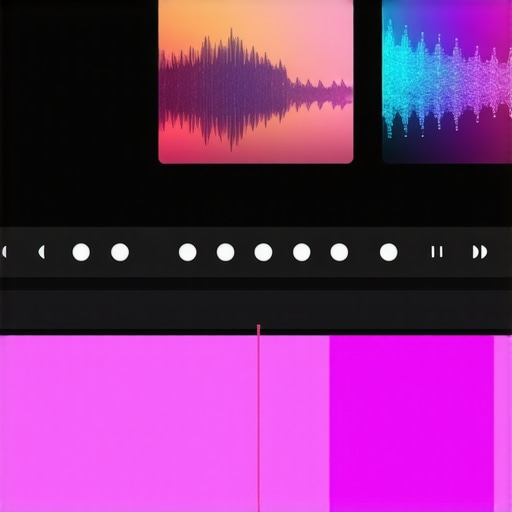
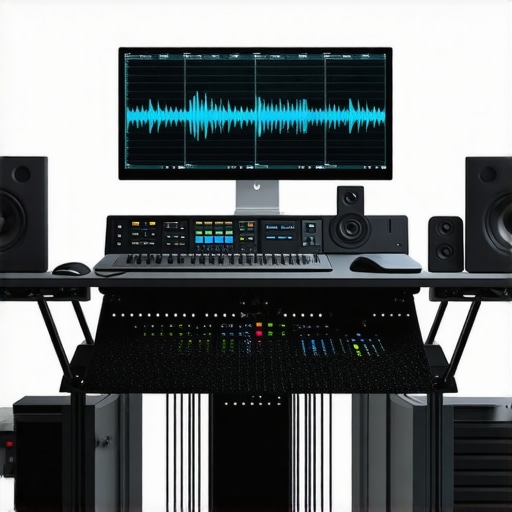
Insert an image showing a timeline view of editing software with audio filters applied, illustrating sound enhancement process.
Implement Visual Enhancements Thoughtfully
Color grading and visual effects should support your story, not overshadow it. Use tools that allow you to adjust saturation, contrast, and brightness with precision. Think of this like seasoning in cooking—moderation enhances flavor. For quick yet impactful edits, explore top post-production tools that simplify color adjustments. Remember, subtlety in visual effects often results in a more professional look.
Refine and Export with Precision
Before exporting, review your entire project on different devices and screens—smartphones, monitors, TVs—to ensure consistency. Use high-quality codecs and settings aligned with your platform’s recommendations. Think of this final step as proofreading an important document; attention to detail guarantees your content looks and sounds as intended. After my first lengthy project, meticulous exporting and review saved me from embarrassing quality issues post-publication.
Many creators believe that selecting the most popular editing software guarantees professional results, but in my experience, this is a myth. The truth is, understanding the nuanced capabilities of your tools is more critical than just following hype. For example, a common mistake is overlooking the importance of proper color management in post-production; many assume all software handles this equally well, but discrepancies can lead to inconsistent visual output. Advanced users know that features like hardware acceleration and proxy workflows can significantly speed up editing, yet these are often underutilized or misunderstood.
Another trap is assuming that higher subscription costs equate to better quality; in reality, many affordable or even free tools offer advanced features suitable for professional work, provided you’re aware of their nuances. For instance, some creators underestimate the importance of non-linear editing workflows, which enable more flexible and efficient editing, especially for complex projects. Rushing into editing without a clear plan or understanding your software’s deeper functions often results in longer render times and subpar results.
A hidden nuance many overlook is the importance of encoding settings during export. Using default export parameters can lead to significant quality loss or unnecessarily large files, hindering distribution. Skilled editors customize codecs, bitrates, and resolutions based on the platform—be it YouTube, Instagram, or broadcast—to optimize quality and performance. Experts emphasize that mastering these details separates amateurs from professionals. To delve deeper into industry-leading practices, check out this guide on top post-production tips.
Regarding audio editing, many assume that built-in noise reduction tools are sufficient. However, real professionals use specialized plugins and techniques to remove subtle background hums or resonances that basic tools can’t address effectively. Ignoring these advanced nuances can leave your audio sounding muffled or unprofessional, which distracts viewers and diminishes content quality.
Finally, the myth that more features mean better editing is widespread, yet in practice, simplicity often leads to efficiency. Overloading your workspace with complex tools can hinder your workflow, especially if you haven’t mastered the basics. Focused, well-understood features allow for precise editing and faster turnaround. As you can see, understanding the intricate capabilities of your editing software and workflow practices is vital. Have you ever fallen into this trap? Let me know in the comments.Maintaining your editing setup is essential to ensure continuous productivity and professional output. First, invest in reliable hardware that can handle future software updates; for instance, upgrading to a SSD drive can drastically reduce rendering times and prevent bottlenecks. Regularly update your software — check for updates at least once a month to access new features, security patches, and performance improvements. For example, the latest versions of popular editors like top post-production tools often include optimizations that speed up workflows and improve stability.
Develop a routine backup system, such as using external drives or cloud storage, so your projects remain safe despite hardware failures or accidental deletions. Tools like Synology NAS devices or cloud solutions like Google Drive can automate this process effectively. Additionally, monitor your hardware’s temperature and performance with apps like HWMonitor or MSI Afterburner; overheating can cause crashes or hardware damage, compromising your work quality.
Over time, software compatibility issues may arise, especially when using old hardware or OS versions. To prevent this, consider creating a dedicated, optimized environment for your editing workflows—this could mean partitioning your drives or setting up virtual machines with compatible configurations. This practice ensures that your tools run smoothly without risking your main system stability.
Understanding these nuances is crucial — for instance, according to industry expert PremiumBeat, regular maintenance extends the lifespan of your equipment and keeps your projects flowing seamlessly. Make it a habit to schedule monthly check-ins on your hardware’s health and software updates to stay ahead.
Remember, the key to long-term efficiency with your editing tools lies in proactive maintenance. Here’s a tip: set calendar reminders for system checks and update durations—this simple step can save hours of troubleshooting. Try implementing a weekly backup routine or scheduling periodic hardware tests to prevent unexpected disruptions and retain your professional edge.
Over the years, my journey through the rapidly evolving landscape of editor apps and post-production tools has been filled with lessons learned the hard way. Here are some personal insights that transformed my approach, which I believe can help you navigate the complex world of video, audio, and photo editing more confidently.
Common Pitfalls That Stifled My Creativity
- Overcomplicating My Workflow: I once tried to juggle too many editing tools at once, which caused burnout and slowed my progress. Simplifying my toolkit and focusing on versatile, user-friendly apps made a huge difference.
- Neglecting Proper Organization: Disorganized media assets led to wasted hours and frustration. Creating a structured system for media management is a game-changer.
- Ignoring Hardware and Software Maintenance: Outdated hardware and neglecting updates caused crashes and delays. Regular maintenance keeps the creative engine running smoothly.
- Underestimating Export Settings: Default export options often compromised quality. Learning the nuances of encoding and formats elevated my final products.
Tools and Resources That Elevated My Creation Game
- All-in-one editors: Streamline your workflow with versatile platforms that combine multiple functions seamlessly.
- Mobile editing apps: Perfect for quick edits and on-the-go adjustments, ensuring you never miss a moment.
- Industry-leading tools: Staying updated with top industry standards keeps your work professional and competitive.
- Media organization systems: Invest in digital asset management solutions to keep your projects neatly organized.
Take Your Creativity to The Next Level
Remember, embracing the right editor apps and maintenance routines can unlock new levels of productivity and artistic expression. Don’t fear experimenting with new tools—each one is an opportunity to discover fresh processes and unlock hidden potential. The future of editor apps in 2025 holds exciting possibilities for storytellers like you and me. So, why not take the next step today and elevate your craft?
What has been your biggest revelation when choosing or using an editor app? Share your story below and let’s grow together!




Leave a Reply