
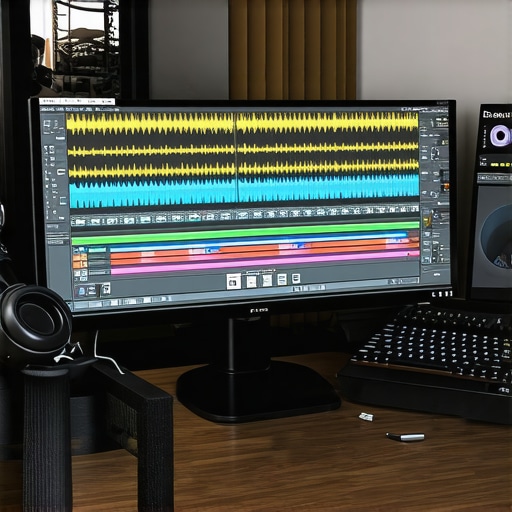
Ever spent hours trying to perfect a video or edit a photo, only to realize the software you’re using is holding you back? I’ve been there—frustrated, stuck, and questioning whether I’d ever find tools that truly match my creative flow. That lightbulb moment hit me hard when I finally understood that choosing the right editing software can make or break your project—and your peace of mind.
Why Picking the Right Software Matters More Than Ever in 2025
In 2025, the landscape of editing tools has exploded with options. It’s not just about having powerful features anymore; it’s about finding software that’s intuitive, fast, and seamlessly integrates into your workflow. With the rise of AI-driven editing and cloud-based platforms, your choice can drastically influence your productivity and the quality of your output. I used to get overwhelmed by the sheer number of options, wasting hours testing different apps that didn’t quite fit my needs. That mistake cost me time and energy—something I bet many creators are still battling today.
Today, I want to help you cut through the noise. I’ll guide you through the best options for video, photo, and audio editing in 2025, based on real experience and expert insights. Whether you’re a hobbyist, a content creator, or a professional, this post will help you select tools that empower your creativity without bogging you down.
Is the Hype Around New Software Justified?
Early in my journey, I fell into the trap of chasing every new release, thinking newer meant better. But I learned the hard way that not all updates are worth your time, and some tools are overhyped. My biggest mistake was investing in complex software that I rarely used to its full potential. Now, I focus on proven, versatile platforms that suit my workflow—like those highlighted in our comprehensive best editing software guide for 2025. Trust me, a good tool should simplify your process, not complicate it.
So, have you ever bought software based on hype and ended up regretting it? Let’s dive into how to avoid that mistake and pick the right editing solutions for your needs.
Identify Your Workflow Needs and Priorities
Before diving into software options, reflect on what your projects demand. Do you need quick edits for social media, or are you working on complex post-production for professional content? Think of this step like choosing a vehicle: a sports car for speed, or a truck for hauling equipment. I once started a project with a software that was great for quick edits but lacked advanced features. Switching my focus to a versatile platform after assessing my needs improved my efficiency.
Research Top-Rated Software and Features
Consult reliable guides like this comprehensive guide to shortlist options that match your requirements. Look for tools known for speed, ease of use, and AI integration—key trends in 2025. I spent a weekend testing three top contenders, focusing on their AI-assisted editing features. The software that offered real-time previews combined with intuitive interfaces saved me hours, making my workflow smoother.
Set Up Your Workspace and Preferences
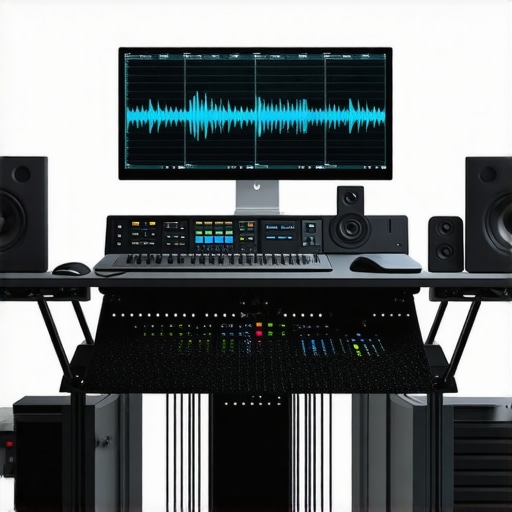
Once you’ve chosen your software, customize your workspace. Arrange panels, shortcuts, and preferences to fit your editing style. Think of this as setting up your studio for maximum comfort and productivity. I once ignored this step, resulting in constant menu hunting that slowed me down. After reorganizing my workspace, I cut my editing time by half.
Learn Core Functions Through Hands-On Practice
Instead of reading manuals cover-to-cover, jump into small projects. Focus on mastering essential tools—trimming, filters, transitions, and sound mixing. Use tutorials from platforms like top editor apps to guide your practice. I remember practicing color grading on a test clip, which helped me understand how different presets affected the mood. Practical application cements skills faster than passive learning.
Implement AI and Automation Features to Save Time
Leverage AI tools for tasks like scene detection, audio cleanup, or color correction. These features are game-changers in 2025, enabling you to focus on creativity. I once used AI to automatically stabilize shaky footage, which previously would have taken hours manually. The result was professional-looking content in a fraction of the time.
Streamline Your Workflow with Mobile Apps and Cloud Integration
Sync your projects across devices using cloud-based platforms and mobile editing apps. This flexibility allows editing on the go, which is crucial for busy creators. I started using top mobile apps to make quick adjustments during commutes, saving me hours later. Syncing projects ensures seamless progress regardless of device.
Review, Export, and Archive Your Projects Effectively
Use preset export settings for different platforms—social media, websites, or high-quality archives. Organize your files systematically to avoid future chaos. I once exported a project with incorrect settings, resulting in poor quality uploads. Creating export templates in my software prevented repeat mistakes and sped up my publishing process.
By following these steps—assessing needs, researching, customizing, practicing, automating, and streamlining—you’ll master your editing tools in 2025 and unlock new levels of productivity and creativity.
Many creators fall into the trap of believing that simply opting for the latest or most hyped software guarantees better results. However, this assumption overlooks some nuanced pitfalls that can significantly hinder your workflow. Let’s dig deeper into what most people get wrong about selecting editing tools and how to avoid these costly mistakes.
Why the Most Popular Software Isn’t Always the Best Fit for You
Everyone talks about industry giants like Adobe Premiere or Final Cut Pro, but popular doesn’t always mean suitable. In my experience, these programs can be overwhelming for beginners and may include features you’ll never use, complicating your workflow. For example, I once invested in a high-end editing suite, only to realize that its complex interface slowed me down during quick social media edits. Instead, I recommend focusing on tools that align with your specific needs—whether that’s quick mobile edits or detailed post-production. For tailored recommendations, check out the best editing software for 2025.
In addition, many creators assume that AI features automatically improve their workflow. While AI-driven tools are powerful, relying solely on them without understanding their limitations can lead to subpar results. For instance, scene detection might miss nuanced shots, or auto color correction can produce unnatural tones. A better approach is to learn when and how to use these features effectively—something that often gets overlooked in hype-driven marketing.
Beware of Over-automation and the ‘Set It and Forget It’ Mentality
Automation can be a double-edged sword. It’s tempting to let AI handle all the tedious tasks, but over-reliance can strip away your creative control and lead to generic results. A common mistake is using auto-stabilization or auto-color correction without manually reviewing the output. Sometimes, these features need fine-tuning to match your project’s unique style. Remember, automation is there to assist, not replace, your artistic judgment.
Furthermore, many creators underestimate the importance of customizing their workflow. For example, setting up personalized shortcuts and presets can save hours in the long run. Without this foresight, you risk wasting time redoing the same edits repeatedly, which diminishes the advantage of automation.
Advanced Tip: How to Balance Power and Simplicity in Your Editing Software
For advanced users, a common misconception is that more complex software always leads to better outcomes. However, as industry experts suggest, the key is to balance powerful features with an intuitive interface. Overly complicated tools can hinder productivity and cause burnout, especially when you’re on tight deadlines. Consider investing time in mastering a versatile platform that offers both advanced capabilities and user-friendly workflows.
In conclusion, the biggest mistake you can make is assuming that the newest, most hyped software will automatically improve your results. Instead, focus on understanding your specific needs, leveraging automation wisely, and customizing your workflow. This nuanced approach will help you maximize your creative potential in 2025. Have you ever fallen into this trap? Let me know in the comments.
Keeping your editing setup in top shape isn’t a one-and-done task; it requires ongoing maintenance and smart use of tools to ensure your workflow remains smooth and productive. Over time, software updates, hardware wear, and evolving project needs mean you need a strategic approach to sustain and scale your editing capabilities.
How do I maintain my editing tools over time?
First, stay vigilant with software updates. I recommend subscribing to official newsletters or update alerts from your chosen platforms, such as the best editing software guide for 2025. Regular updates not only bring new features but also crucial security patches and bug fixes that keep your tools running smoothly. Don’t hesitate to schedule quarterly check-ins to review these updates and see if any new features can benefit your workflow.
Next, keep your hardware in check. Solid-state drives (SSDs) are a game-changer for editing, offering faster read/write speeds that prevent bottlenecks during intensive tasks. I personally upgraded my main drive to an NVMe SSD, which cut my rendering times in half. Regularly clean and dust your workstation to prevent overheating, which can degrade hardware performance over time. Consider investing in a UPS (uninterruptible power supply) to protect against power surges that can damage your equipment.
Automation and presets are your allies for long-term efficiency. Create and refine custom keyboard shortcuts and export presets tailored to your most common projects. This habit pays off by reducing repetitive tasks and minimizing errors. For example, I developed a set of export presets for different social media platforms, which allows me to deliver content faster while maintaining quality.
Backups are non-negotiable. Use cloud storage solutions like Google Drive or Dropbox to keep project backups off-site. I also maintain an external drive dedicated to archiving completed projects, which not only frees up space but also protects against data loss. Regularly testing your backups ensures you can restore projects quickly if needed.
Looking ahead, I predict that automation tools will become even more sophisticated, integrating AI to handle routine edits and quality checks. To stay at the forefront, familiarize yourself with emerging features in your editing software, such as AI-assisted color grading or scene detection, which are continuously evolving in platforms like top editor apps for 2025. Experiment with these features on smaller projects to understand their strengths and limitations.
Finally, always allocate time for skill refreshment and hardware upgrades. Technology advances rapidly, and staying updated ensures your tools serve your creative ambitions. Try dedicating an hour each month to exploring new plugins, tutorials, or hardware accessories that could streamline your process further.
By implementing these maintenance routines and staying proactive about tool optimization, you’ll ensure your editing setup remains reliable and scalable for years to come. Remember, the key is consistency—regularly reviewing and refining your tools and workflows keeps your creative engine running smoothly. Ready to give your setup a tune-up? Start with scheduling a software update audit today and see how much smoother your work can become!
The Hardest Lesson I Learned About Choosing Editing Software
One of my biggest mistakes early on was chasing the newest, most hyped software without considering if it truly fit my workflow. I wasted countless hours trying to learn complex interfaces that distracted me from my creative goals. The lightbulb moment came when I realized that simplicity and alignment with my needs trump bells and whistles. Now, I focus on tools that streamline my process, like those highlighted in our best editing software guide for 2025.
3 Myths About Editing Tools That Held Me Back
Myth 1: More features mean better results. I learned that overloading your software complicates workflows. Myth 2: The latest update is always an upgrade. Sometimes, updates introduce bugs or unnecessary complexity. Myth 3: AI will do all the work. AI is a tool, not a magic fix. Understanding these myths helped me choose smarter tools and avoid costly detours.
What Industry Experts Won’t Tell You
Many pros emphasize that balancing power with usability is key. A tool packed with features but hard to navigate can hinder rather than help. I discovered that investing time in mastering versatile, intuitive platforms accelerates my projects. For insights, I recommend checking out top editor apps for 2025 to find the right fit.
Where to Go from Here
The most valuable lesson is to continuously refine your tools and workflow. Regular updates, hardware checks, and practicing new features keep your editing game sharp. Remember, the goal is to make technology serve your creativity, not the other way around. Ready to take your editing in 2025 to the next level? Start by assessing your current setup and explore new tools that align with your evolving needs.
Your Turn to Try
Have you ever struggled with choosing the right editing software or workflow? Share your experiences below, and let’s learn from each other’s journeys to mastering editing in 2025!



Leave a Reply